Skip to content


Call an HVAC professional immediately for any safety emergency (gas smell, carbon monoxide alarm, electrical burning, sparks, or smoke), and as soon as possible for performance issues like weak airflow, strange noises, short cycling, warm air from your AC, or sudden spikes in your energy bill.
Some HVAC tasks like filter changes and clearing debris are safe DIY work. Anything involving refrigerant, gas, electrical, or sealed system components requires a licensed technician. When in doubt, the safer answer is to call.
Most HVAC problems start small and get worse fast. Knowing when to act, when to wait, and when to evacuate the house can save you money, prevent breakdowns, and in some cases save your life. This guide walks through the warning signs and exactly when to make the call.
Key Takeaways
- Call right away for safety issues like gas smells, CO alarms, electrical burning smells, sparks, or smoke.
- Performance issues like weak airflow, strange noises, and rising bills usually signal repairs that get worse if ignored.
- Filter changes and debris cleanup are DIY, but anything involving refrigerant, gas, or electrical work needs a licensed tech.
- Schedule professional tune-ups twice a year even when nothing seems wrong.
- After a storm, flood, or power surge, have a pro inspect your system before running it heavily.
What Are Safety Emergencies That Require an HVAC Pro Immediately?
Safety emergencies are situations where your HVAC system creates an immediate risk to your health, your home, or your life. These never wait. Evacuate first, call emergency services if needed, then call a licensed HVAC professional.

Gas Smells or Suspected Leaks
Natural gas is odorless, but utility companies add a sulfur or rotten-egg scent so you can detect leaks. If you smell that around your furnace, water heater, or anywhere in your home:
- Don’t flip light switches or use any electrical devices
- Don’t light matches or start vehicles in the garage
- Get everyone out of the house immediately
- Call 911 and your gas company from a safe distance outside
- Call an HVAC professional after the gas company clears the home
A small ongoing leak can cause headaches and nausea. A bigger one can cause an explosion. There’s no “wait and see” with gas smells.
Carbon Monoxide Alarm Activation
Carbon monoxide poisoning sends over 20,000 people to emergency rooms every year and kills more than 400 Americans annually. CO is colorless, odorless, and tasteless, which is why working detectors are so critical.
If your CO alarm sounds:
- Get everyone outside into fresh air
- Call 911 if anyone has symptoms (headache, dizziness, nausea, confusion)
- Don’t go back inside until emergency responders clear the home
- Call an HVAC professional to find the source (usually a cracked heat exchanger or blocked flue)
Symptoms that improve when you leave the house and return when you come back are a classic CO warning sign. Don’t dismiss it.
Electrical Burning Smells or Sparks
A burning plastic, ozone, or “electrical” smell from your HVAC system usually means a motor is seizing or wires are melting. Sparks or smoke from any unit means even worse. These are fire risks.
If you see or smell electrical problems:
- Shut the system off at the breaker immediately
- Don’t try to restart it to “see if it does it again”
- Call our 24/7 emergency HVAC service for fast response
A brief dust-burning smell when you first run the heat in fall is normal. Anything that lasts more than 30 minutes or smells electrical is not.
What Performance Issues Mean It’s Time to Call a Pro?
Performance problems are your system’s way of telling you something is wearing out or already broken. Catching these early is far cheaper than waiting for a full failure on the hottest or coldest day of the year.
Weak or No Airflow
If you put your hand over a vent and feel barely any air, something is wrong. Causes include:
- A clogged air filter (try this fix first)
- A failing blower motor or capacitor
- Frozen evaporator coil
- Disconnected or crushed ductwork
- A failing compressor
Replace the filter and check that all vents are open. If airflow is still weak, call a pro before the system overheats and damages itself.
Strange Noises (Banging, Grinding, Squealing)
HVAC systems should run with a steady hum. Any new loud noise is a problem:
- Banging or clanking: loose or broken parts inside the blower or compressor
- Grinding: failing motor bearings
- Squealing: worn belt or motor problem
- Hissing from the AC: refrigerant leak (also a safety issue)
- Loud booms when the heat starts: delayed gas ignition (dangerous)
Shut the system off if you hear metal-on-metal grinding, screaming, or repeated booms. Call for professional system diagnostics before running it again.
System Short Cycling
Short cycling is when your AC or furnace turns on, runs for just a few minutes, shuts off, then starts again. It’s hard on the equipment and your bills. Common causes:
- Oversized system
- Clogged filter
- Refrigerant problem
- Failing thermostat
- Frozen coil or overheating safety lockout
Repeated short cycling can burn out the compressor, which is one of the most expensive parts to replace. Don’t let it run that way.

Warm Air from AC or Cold Air from Furnace
If your AC blows warm air or your furnace blows cold, the system is failing to do its job. Likely culprits include refrigerant leaks, failed compressors, broken igniters, or thermostat problems. Don’t keep running the system hoping it’ll fix itself, because that often makes the underlying problem worse. For more help spotting warning signs, see our guide on the signs your HVAC system is failing.
When Do Comfort and Bill Issues Need Professional Help?
Sometimes there’s no dramatic warning, just a slow decline in comfort or a creeping increase in your energy bill. These signs are easy to ignore, but they almost always mean something needs attention.
Rising Energy Bills With Same Usage
If your bill jumps 20 to 30 percent without a change in your habits or rates, your HVAC is probably the cause. A struggling system works longer and harder to deliver the same comfort, burning more electricity or gas in the process. Common causes include dirty coils, low refrigerant, failing motors, and leaky ducts.
A professional tune-up usually pays for itself just by restoring lost efficiency.
Uneven Temperatures Between Rooms
Some rooms freezing while others are sweltering points to airflow problems. The fix could be:
- Sealing or repairing leaky ducts
- Adjusting damper settings
- Installing a zoning system
- Replacing an undersized or oversized unit
Don’t just close vents in cold rooms. That can pressurize the ducts and damage your system.
Excess Humidity or Dust Indoors
A properly working AC pulls humidity out of your home along with heat. If your house feels sticky in summer or you see condensation on windows, your AC isn’t dehumidifying right. Excess dust on furniture days after cleaning usually points to leaky return ducts pulling air from attics or crawlspaces.
Both issues need a pro to diagnose and fix.
What HVAC Tasks Should Always Be DIY vs Professional?
Knowing what you can safely handle yourself saves you money and helps you spot problems early. Knowing what you can’t handle keeps you safe and protects your warranty.
Safe Homeowner Tasks
You can comfortably tackle these yourself:
- Replace air filters every 1 to 3 months
- Clear debris and vegetation around the outdoor unit (keep 2 feet of clearance)
- Rinse outdoor coils gently with a garden hose (with the unit powered off)
- Replace thermostat batteries
- Test and change CO detector batteries
- Open and unblock vents and registers
- Cover the outdoor AC unit with a breathable cover for winter
That’s about it for DIY territory.
Pro-Only Tasks
Anything in this list should always go to a licensed technician:
- Refrigerant work (federal EPA rules require certification)
- Gas line connections, pressure tests, or burner adjustments
- Electrical work beyond changing a thermostat battery
- Heat exchanger inspection or replacement
- Compressor or capacitor replacement
- Ductwork modifications
- System installation or removal
- Combustion testing and venting work
DIY attempts at these can void warranties, violate code, cause carbon monoxide leaks, start fires, or destroy expensive equipment. The cost of a service call is far less than the cost of getting it wrong.
When Should You Schedule a Pro Even Without Problems?
Some HVAC service calls aren’t about fixing problems. They’re about preventing them. Scheduling routine professional visits is the cheapest insurance you’ll buy as a homeowner.
Twice-Yearly Tune-Ups
A spring AC tune-up and a fall furnace tune-up catch small problems before they become breakdowns. Technicians clean coils, check refrigerant, test electrical components, inspect the heat exchanger, and verify safety controls. Annual seasonal tune-ups typically extend equipment life by 5+ years.
Many manufacturer warranties also require documented professional maintenance. Skipping it can void coverage on a major repair.
Pre-Season Inspections
If your system has been sitting unused for months (AC over winter, furnace over summer), book a pre-season inspection 2 to 4 weeks before you’ll need it. That way any needed repairs get done before the rush, and you’re not scrambling during the first heat wave or cold snap.

After a Storm or Power Surge
Severe weather, flooding, lightning, or power surges can damage HVAC components even if the system seems to be working. Have a pro inspect your system if you experience:
- Direct lightning strike or nearby strike
- Flooding around the outdoor or indoor unit
- A power surge that tripped breakers
- Hail damage to the outdoor coil
- Tornado or high-wind damage near equipment
Hidden damage can cause failures weeks or months later, often when you need the system most.
Ready to Schedule Your HVAC Service Call?
Calling an HVAC professional at the right time saves you money, protects your home, and in serious cases protects your family. The pattern is simple: any safety issue is a now problem, performance issues should get attention quickly, and routine maintenance keeps the rest from happening at all.
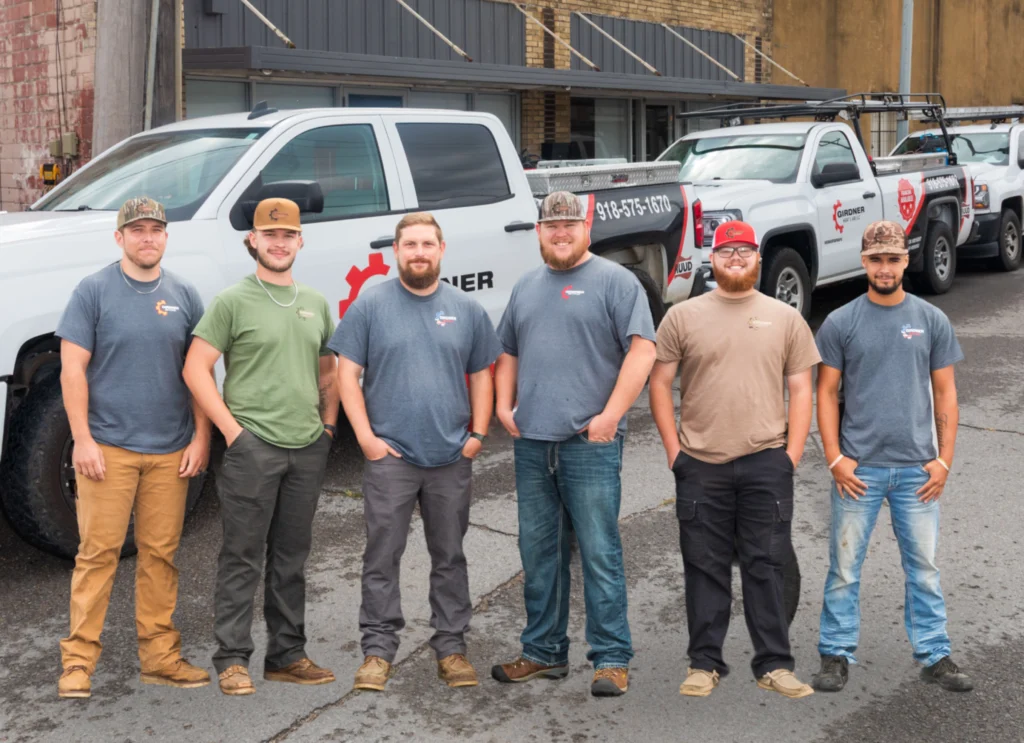
At Girdner Heat and Air, we serve homeowners across Oklahoma and Arkansas with friendly, honest HVAC service. From emergency calls in the middle of the night to routine spring tune-ups, we treat every visit like the homeowner is family. Ready to book? Contact us today by phone or online for fast, reliable service from a team you can trust.