 Skip to content



An HVAC tune-up includes cleaning the coils, checking refrigerant levels, inspecting the heat exchanger, testing electrical connections, calibrating the thermostat, clearing the condensate drain, and running a full safety test. A technician cleans, adjusts, lubricates, and tests every major part so your system runs safely and efficiently before the season changes.
That one visit is the difference between a system that quietly does its job and one that quits on the hottest or coldest day of the year. Below is exactly what happens during a professional tune-up, how long it takes, and why it pays for itself.
Key Takeaways
- A tune-up covers the cooling side, the heating side, electrical parts, airflow, and a safety check, not just a filter swap.
- Most tune-ups take one to two hours, depending on system age and condition.
- You should schedule one twice a year: spring for cooling, fall for heating.
- Proper maintenance can cut HVAC energy use significantly, since poor upkeep raises energy use by 30% or more.
What Is an HVAC Tune-Up?
An HVAC tune-up is a preventive service where a licensed technician inspects, cleans, and tests your heating and cooling system to keep it running at peak performance. It goes far beyond a quick look. The goal is to catch small issues before they turn into expensive breakdowns.
Think of it like a tune-up for your car. You do not wait for the engine to fail before you change the oil. The same logic protects your HVAC system. A tune-up restores lost efficiency, confirms everything is safe, and gives you a clear picture of your system’s health.
This is different from a repair. A repair fixes something that is already broken. A tune-up prevents the break in the first place.

What Does an HVAC Tune-Up Include? (The Full Checklist)
A complete HVAC tune-up covers both the cooling and heating sides of your system, plus the electrical, airflow, and safety components that tie them together. Here is what a technician works through, grouped by area so you know exactly what you are paying for.
Cooling-Side Tasks
When your system is prepped for warm weather, the technician focuses on the parts that move heat out of your home. These checks keep your air conditioner or heat pump cooling strong through Oklahoma and Arkansas summers.
- Clean the condenser and evaporator coils so heat transfers properly.
- Check refrigerant levels and pressure. A charge that is even 10% low can cut efficiency by 20%.
- Clear the condensate drain line to prevent clogs, water damage, and mold.
- Inspect the outdoor unit for debris, bent fins, and damage.
Heating-Side Tasks
Before cold weather hits, the technician shifts to your furnace or heat pump’s heating function. These steps are about both comfort and safety.
- Inspect the heat exchanger for cracks that could leak gas.
- Test the igniter and flame sensor for reliable startup.
- Check carbon monoxide levels and venting for safe operation.
- Verify the draft and pressure switch work correctly.
A cracked heat exchanger is a genuine safety risk, not a sales pitch. This inspection is one of the most important reasons to use a licensed professional for your heating maintenance.
Electrical and Safety Checks
Loose or worn electrical parts are a leading cause of HVAC failure and fire risk. The technician tightens and tests these components on every visit.
- Tighten electrical connections and measure voltage and amperage.
- Test capacitors and contactors, common failure points that are cheap to replace early.
- Inspect the compressor and motor for wear.
- Confirm the emergency shutoff works.
Airflow, Filter, and Thermostat
Good airflow is what actually delivers comfort to your rooms. These final checks make sure the conditioned air reaches you.
- Inspect and replace the air filter if needed. The DOE notes a dirty filter swap can reduce AC energy use by 5-15%.
- Lubricate moving parts like motors and fan bearings to cut friction.
- Check and adjust the blower motor and belts.
- Calibrate the thermostat so it reads temperature accurately.
How Long Does an HVAC Tune-Up Take?
A standard HVAC tune-up takes one to two hours from start to finish. The exact time depends on the age of your system, how complex it is, and what condition it is in. A newer, well-kept unit moves faster. An older system that has skipped a few seasons needs more attention.
If your refrigerant needs recharging or the technician finds a repair, that can add 30 to 45 minutes. A good technician will always explain what they found and walk you through any recommendations before doing extra work. You should never feel pressured or left in the dark.
How Often Should You Get an HVAC Tune-Up?
You should schedule an HVAC tune-up twice a year: once in spring for your cooling system and once in fall for your heating system. This timing prepares each side of your system right before you lean on it the most.
Spring tune-ups focus on the cooling circuit, clean coils, and refrigerant charge. Fall tune-ups prioritize combustion safety, the heat exchanger, and venting. Two visits a year keep both halves of your system ready for the Oklahoma heat and the winter cold snaps.
If you can only manage one visit, do it in spring before summer demand peaks. But two visits give you the best protection and the most reliable comfort. It pays off too: one nationwide study found homes with regular upkeep had 40% fewer HVAC service calls. A good HVAC maintenance plan usually bundles both tune-ups so you never have to remember to book them.
Why Is an HVAC Tune-Up Worth It?
An HVAC tune-up is worth it because it lowers your energy bills, extends your system’s life, and prevents surprise breakdowns. The savings from reduced energy waste and avoided repairs typically offset the cost of the visit itself.
The numbers back this up. The U.S. Department of Energy’s review of residential field studies found that tuning up air conditioners and heat pumps produced roughly 5% incremental energy savings. On the flip side, improper installation and maintenance can raise household HVAC energy use by 30% or more.

There is a comfort and health benefit too. The EPA points out that properly maintained systems improve indoor air quality by keeping dust, mold, and pollutants from building up. A tune-up is not just about the machine. It is about the air you and your family breathe every day.
A neglected system also wears out faster. Well-maintained HVAC units can last 15 to 25 years, while neglected ones often run efficiently for only 5 to 7 years. Catching a worn capacitor or a low refrigerant charge early is far cheaper than replacing a compressor or the whole unit years ahead of schedule.
DIY vs Professional Tune-Up: What’s the Difference?
You can handle basic upkeep yourself, but a true tune-up needs a licensed technician with the right tools and training. Here is how the two compare.
| DIY Maintenance | Professional Tune-Up |
| Replace the air filter | Clean coils and check refrigerant |
| Clear debris around the outdoor unit | Test electrical parts and capacitors |
| Keep vents and registers open | Inspect the heat exchanger for cracks |
| Rinse the outdoor unit gently | Check carbon monoxide and combustion safety |
Changing your filter every one to three months is the single most valuable thing you can do between visits. But refrigerant checks, electrical testing, and combustion safety require professional equipment and a trained eye. Trying these yourself risks injury and can void your warranty.
The smart approach is to do the simple tasks regularly and leave the technical work to the pros. If you are weighing bigger decisions, our guide on repair vs replacement vs maintenance breaks down when each one makes sense.
Keep Your System Running Strong in Stilwell, OK
A good HVAC tune-up cleans, tests, and protects every major part of your heating and cooling system, so you get lower bills, cleaner air, and fewer breakdowns. Done twice a year, it is one of the easiest ways to protect your comfort and your wallet.
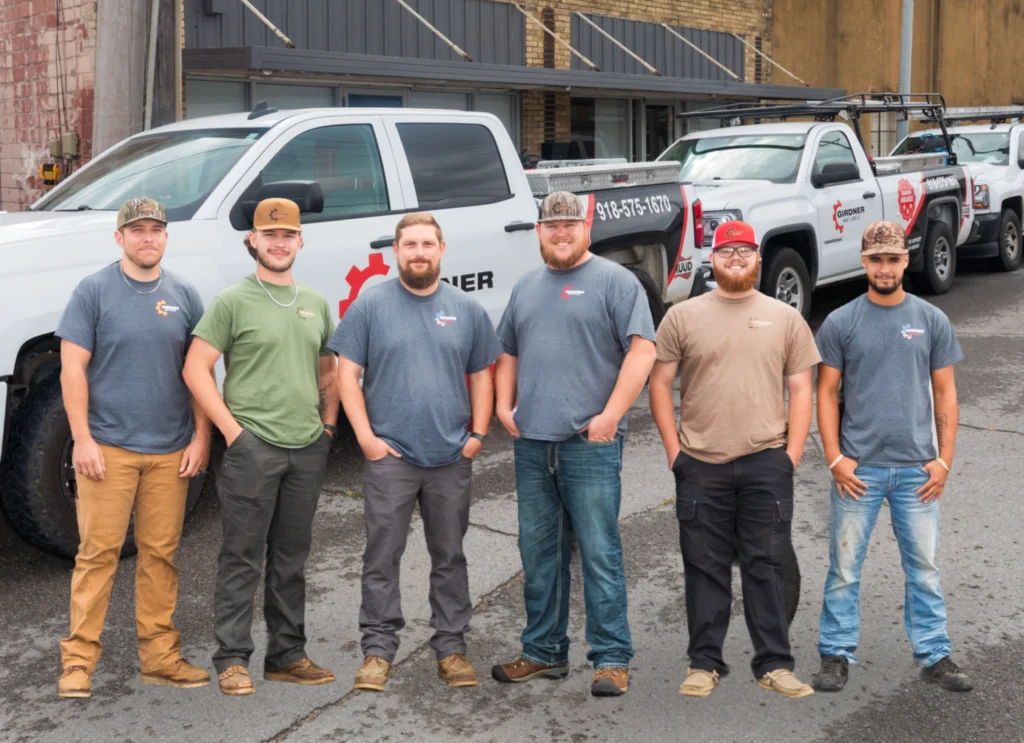
At Girdner Heat and Air, our local, licensed technicians handle honest, thorough seasonal tune-ups for homeowners across Stilwell and the surrounding Oklahoma and Arkansas communities. No pressure, no surprises, just dependable care that keeps your system ready for whatever the season brings.
Ready to protect your comfort? Contact Girdner Heat and Air today to schedule your tune-up and enjoy real peace of mind.


