Skip to content

The best HVAC filter for allergies is a pleated filter rated MERV 11 to MERV 13. This range traps pollen, pet dander, dust mites, and mold spores while still letting your system breathe. For most homes in Oklahoma and Arkansas, a MERV 11 or 13 filter gives real allergy relief without straining your air conditioner or furnace.
If you sneeze more inside than outside, your filter could be the problem. The right one acts like a gatekeeper, catching irritants before they reach the air you breathe. This guide explains MERV ratings, what each filter traps, and how to pick one that helps you breathe easier at home.
Key Takeaways
- MERV 11 to 13 is the sweet spot for most allergy sufferers, balancing strong filtration with good airflow.
- Cheap fiberglass filters capture less than 10 percent of airborne allergens.
- Indoor air can hold two to five times more pollutants than outdoor air, according to the EPA.
- Going too high, like MERV 16 and up, can choke airflow on a standard residential system.
- Replace allergy filters every 60 to 90 days for steady relief.
What Is the Best HVAC Filters For Allergies?
The best HVAC filter for allergies is a pleated media filter with a MERV rating between 11 and 13. This range is dense enough to trap fine particles like pollen, pet dander, and mold spores, yet open enough to avoid overworking your system.
Most allergy specialists point homeowners toward this range for meaningful symptom relief. A MERV 13 filter offers the highest level of common residential filtration, capturing particles as small as 0.3 microns. That includes most allergens and even some bacteria.
This matters more than many people realize. The U.S. Environmental Protection Agency reports that indoor air often holds two to five times more pollutants than the air outside. A quality filter is one of the most direct ways to cut that number down inside your home.

What Do MERV Ratings Mean for Allergy Relief?
MERV stands for Minimum Efficiency Reporting Value. It measures how well a filter captures particles, on a scale where higher numbers mean better filtration. For allergies, the rating tells you whether a filter actually stops the particles that trigger your symptoms.
MERV 8 vs MERV 11 vs MERV 13
Not every filter is built for allergy relief. Here is how the common residential ratings compare:
- MERV 8: Handles larger dust particles, but lets many allergens pass through. Fine for basic dust control, weak for allergy relief.
- MERV 11: Captures smaller particles including pollen, pet dander, and some mold spores. A solid choice for homes with moderate allergies or pets.
- MERV 13: The top common residential option. Traps fine allergens, smoke, and some bacteria. Best for severe allergy sufferers or anyone with asthma.
For most families dealing with seasonal pollen or pets, MERV 11 to 13 delivers the strongest defense.
Why Fiberglass Filters Fall Short
Cheap fiberglass filters are the most common type sold, but they do little for allergies. Industry testing shows they capture less than 10 percent of airborne allergens.
These flat, thin filters are designed mainly to protect your equipment from large debris, not to clean the air you breathe. If allergy relief is your goal, a pleated MERV 11 to 13 filter is a far better fit. The upgrade is affordable and makes a clear difference in how the air feels.
Which Allergens Does an HVAC Filter Trap?
A good HVAC filter traps the airborne irritants that drive most allergy symptoms. As air circulates through your system, the filter catches these particles before they spread room to room.
Pollen, Pet Dander, Dust Mites, and Mold
Each common allergen has a different particle size, which is why MERV ratings matter so much:
- Pollen: Roughly 10 to 100 microns. Larger and easy to catch with MERV 8 or higher.
- Pet dander: Around 2.5 to 10 microns. Needs MERV 11 or higher for good capture.
- Dust mite debris: About 5 to 20 microns. Caught well by MERV 11 to 13 filters.
- Mold spores: Roughly 3 to 40 microns. Trapped reliably at MERV 11 and up.
A MERV 11 filter captures 85 percent or more of particles in the 3 to 10 micron range, which covers pollen, dander, and mold. If your allergies are tied to pets or seasonal pollen, this is exactly the protection you want.
For homes that need extra help beyond filtration, whole-home air purification systems can work alongside your filter to clear even finer particles.

Can a Filter Be Too Strong for Your HVAC System?
Yes. A filter can be too dense for your system, which causes more harm than good. This is one of the most common mistakes homeowners make when chasing cleaner air.
Very high ratings like MERV 16 and up are designed for commercial or hospital systems. On a standard home unit, that density restricts airflow. The system has to work harder, which raises energy bills, strains the blower, and can shorten the life of your equipment.
That is why MERV 11 to 13 is the recommended range for homes. It gives strong allergy filtration while keeping airflow healthy. If you are unsure what your system can handle, a quick check during routine seasonal HVAC maintenance will confirm the right fit before you upgrade.
How Often Should You Replace Your Allergy Filter?
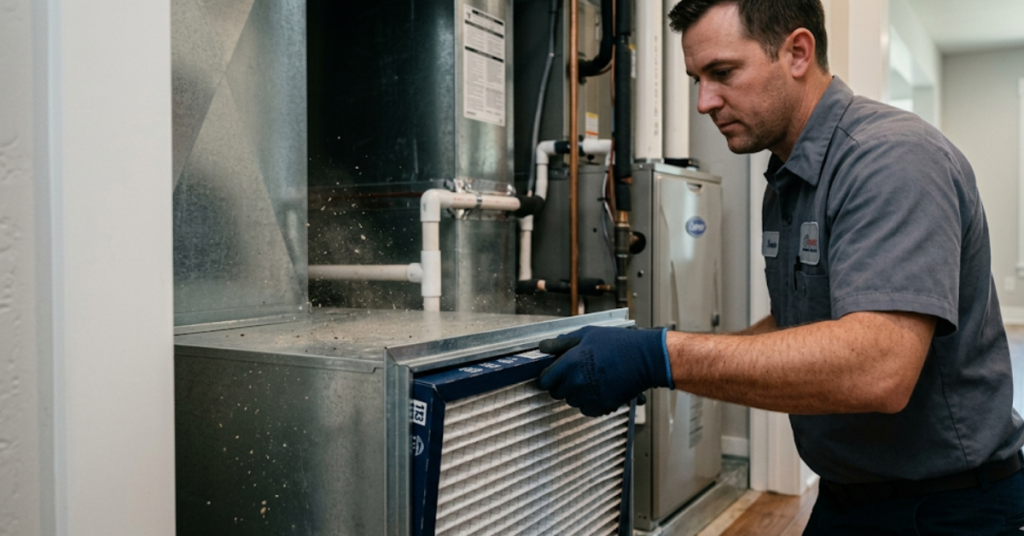
Higher-rated allergy filters should be replaced every 60 to 90 days. Pleated filters catch more particles, which means they also fill up faster than basic ones.
Watch for these signs that it is time for a fresh filter:
- Visible dust buildup on the filter surface.
- Longer system run times or weaker airflow from vents.
- More dust settling around your home.
- Allergy symptoms creeping back indoors.
Homes with pets or multiple allergy sufferers may need changes closer to every 60 days. Staying on schedule keeps the air clean and protects your system. Our AC maintenance plans include regular filter checks, so you never have to guess.
Breathe Easier in Your Stilwell Home
The right HVAC filter is one of the simplest ways to cut down on sneezing, itchy eyes, and stuffy noses at home. For most Oklahoma and Arkansas families, a pleated MERV 11 to 13 filter delivers strong allergy relief without overworking the system.
At Girdner Heat and Air, we help homeowners pick filters that fit their system and their needs, then keep them on track with a dependable HVAC maintenance plan. Clean air should not be a guessing game.
Ready to breathe easier this allergy season? Contact us today for honest advice and friendly local service you can trust.