Skip to content


A professional HVAC tune up is a multi-point inspection, cleaning, and adjustment of your heating and cooling system designed to catch small problems before they turn into expensive repairs. During the visit, a licensed technician checks safety components, cleans critical parts, measures system performance, and makes adjustments to keep everything running at peak efficiency. The entire process typically takes 1 to 2 hours and is one of the most effective ways to protect your home comfort investment.
If you’ve never scheduled a tune up before, or you’re wondering whether the service is really worth it, this guide walks you through exactly what happens from start to finish so you know what to expect.
Key Takeaways
- A professional HVAC tune up includes a safety inspection, thorough cleaning, and performance testing of your heating and cooling system, typically completed in 1 to 2 hours.
- Technicians check critical safety components including the heat exchanger, electrical connections, carbon monoxide levels, and refrigerant pressure to protect your family and your equipment.
- Regular tune ups save 5-20% on energy bills according to the U.S. Department of Energy, and can prevent up to 80% of costly breakdowns before they happen.
- The average tune up costs $75 to $200, which is far less than the $300 to $600 most homeowners pay for an emergency HVAC repair.
What Does an HVAC Tune Up Include?
An HVAC tune up covers three main areas: safety, cleanliness, and performance. Each area targets specific components that affect how well your system runs, how much energy it uses, and how safely it operates inside your home. A thorough tune up goes well beyond simply changing a filter. It’s a systematic evaluation of every major component in your heating and cooling system.
Safety Inspection and Testing
Safety is the first priority during any HVAC tune up, and it’s the part of the service that protects your family the most. Your technician will inspect the heat exchanger for cracks or signs of fatigue. A damaged heat exchanger can allow carbon monoxide to leak into your home’s air supply, making this one of the most critical checks during the entire visit.
The technician also tests all safety controls, including high-limit switches, pressure switches, and gas valve operation. For gas-burning systems, a combustion analysis measures what’s in your furnace’s exhaust to confirm the system is burning fuel safely and efficiently. Carbon monoxide is responsible for over 400 accidental deaths in the U.S. each year, and many of these incidents are linked to heating systems that appeared to be working normally. A professional tune up catches the invisible dangers that homeowners simply can’t detect on their own.
Electrical connections are inspected and tightened throughout the system. Loose wiring creates fire hazards and causes components to work harder than necessary. Your technician will measure voltage and amperage draws to confirm everything is operating within safe parameters.
Cleaning and Component Maintenance
Dirty components are one of the leading causes of HVAC inefficiency and premature failure. During the cleaning phase of a tune up, your technician addresses the buildup that accumulates over months of normal operation.
The evaporator and condenser coils receive a thorough cleaning. Dirty coils restrict heat transfer and force your system to run longer cycles to reach your desired temperature. According to NIST Technical Note 1848, improper maintenance increases household HVAC energy use by 30% or more, and dirty coils are a primary contributor to that waste.
Other cleaning tasks during a standard tune up include clearing the condensate drain line to prevent water backup and mold growth, cleaning or replacing the air filter to maintain proper airflow and indoor air quality, cleaning the blower wheel and fan assembly to ensure balanced air distribution, removing debris from the outdoor condenser cabinet including leaves, grass clippings, and dirt, and cleaning the flame sensor on gas furnaces to prevent ignition failures. A dirty flame sensor is actually the number one cause of “ignition failure” in modern furnaces. Over time, carbon and dust coat the small metal rod, insulating it so the furnace can’t detect its own flame. The system shuts down as a safety precaution, leaving you without heat.
Moving parts like fan motors and bearings are lubricated to reduce friction, lower electricity consumption, and prevent premature wear. This simple step alone can add years to the life of your blower motor.
System Performance Measurements
The final phase of a tune up focuses on measuring how well your system actually performs. Your technician isn’t just looking for obvious problems. They’re recording specific numbers that reveal the overall health of your equipment.
Performance measurements during a tune up include checking the temperature split across the evaporator coil (the difference between return air and supply air temperature), measuring refrigerant pressure and charge levels to verify the system has the correct amount of refrigerant, testing static pressure to assess duct performance and airflow, calibrating the thermostat to ensure accurate temperature readings and proper cycling, and measuring airflow at supply registers to identify distribution problems.
These measurements give your technician a complete picture of system health. They also create a baseline for comparison during future visits, making it easier to spot gradual performance decline before it becomes a serious problem. If your technician discovers anything concerning during the tune up, they’ll discuss the findings with you and recommend next steps. For complex issues, system diagnostics can pinpoint the root cause and guide the right repair.

How Does a Cooling System Tune Up Differ from a Heating Tune Up?
While many inspection steps overlap between heating and cooling tune ups, each system has unique components that require specialized attention. That’s why most HVAC professionals recommend scheduling two tune ups per year: one in the spring for your air conditioner and one in the fall for your furnace or heat pump.
What Technicians Check on Your Air Conditioner
A cooling-specific tune up focuses on the components that work hardest during Oklahoma’s long, hot summers. Your technician will clean the outdoor condenser coil and clear any debris that restricts airflow around the unit. Restricted airflow forces the compressor to work harder, increasing energy consumption and shortening its lifespan.
Refrigerant levels are checked and adjusted if necessary. Low refrigerant reduces cooling capacity and can cause the evaporator coil to freeze, leading to water damage and system shutdown. Your technician measures superheat and subcooling values to confirm the charge is correct without simply topping off refrigerant, which can mask underlying leaks.
Capacitor health is tested with a meter to verify it’s delivering the correct electrical charge to start and run the compressor and fan motors. A failing capacitor is one of the most common causes of AC breakdowns during peak summer heat. The condensate drain line is flushed to prevent clogs that can cause water to back up into your home, potentially creating mold problems and water damage. For a broader look at common cooling issues in our area, check out our guide on common AC problems in Oklahoma summers.
What Technicians Check on Your Furnace or Heat Pump
A heating-specific tune up places extra emphasis on combustion safety and heat delivery. For gas furnaces, the technician inspects the heat exchanger for cracks, tests the igniter and flame sensor, cleans the burner assembly, and performs a combustion analysis to verify safe carbon monoxide levels.
Draft and venting checks confirm that flue gases are moving outdoors as designed. A blocked or damaged flue pipe can force dangerous combustion byproducts back into your living space. The blower motor and fan assembly are tested under operating conditions to confirm the system delivers warm air evenly throughout your home.
For heat pumps, the technician checks the reversing valve that switches the system between heating and cooling modes. They also verify defrost cycle operation, which is critical for maintaining heating performance during cold Oklahoma mornings when frost builds up on the outdoor coil. If you’re unsure whether your system needs attention, reviewing the signs your HVAC system is failing can help you decide whether it’s time to schedule service.
How Long Does an HVAC Tune Up Take and What Does It Cost?
Understanding the time commitment and cost involved helps you plan your schedule and budget for this essential maintenance service.
Typical Timeline and What Affects Duration
A standard HVAC tune up takes approximately 1 to 2 hours to complete, depending on the condition of your system and the scope of the inspection. Systems that haven’t been serviced in several years may take longer because more cleaning and adjustment work is needed.
Factors that can extend the duration include the age and complexity of your system, accessibility of indoor and outdoor components, whether refrigerant needs to be added (which can add 30 to 45 minutes), and any minor repairs the technician identifies during the inspection. If your system requires significant repairs beyond the scope of a tune up, your technician will provide a separate estimate and let you decide how to proceed.
Average Costs and What’s Included
According to HomeGuide’s 2026 cost data, a standard HVAC tune-up costs between $70 and $200, depending on the system type, age, and services included. Angi reports similar pricing, with annual AC tune-ups running $60 to $200 and furnace tune ups between $80 and $300.
Most tune-up costs cover the technician’s time for inspection, cleaning, and basic adjustments. Parts, refrigerant, and repairs beyond the standard service are typically billed separately. Many HVAC companies offer annual maintenance plans that bundle two tune-ups per year with additional benefits like priority scheduling, repair discounts, and filter replacements. These plans typically cost $120 to $360 per year and can provide significant savings over individual service calls.

Why Is a Professional HVAC Tune Up Worth the Investment?
A tune up might seem like an optional expense, especially when your system appears to be working fine. But the numbers tell a compelling story about the value of preventive maintenance.
Energy Savings and Lower Utility Bills
The U.S. Department of Energy estimates that proper maintenance practices deliver 5-20% annual energy savings. For a household spending $200 per month on heating and cooling, that translates to $120 to $480 in annual savings from maintenance alone.
The EPA reports that preventive HVAC maintenance not only improves energy efficiency by 5-15% but also directly enhances indoor air quality by removing contaminants from the system. Clean coils, fresh filters, and clear drain lines mean your system circulates cleaner air with less effort. After professional cleaning, HVAC systems deliver 10-46% more airflow compared to uncleaned systems, with significant reductions in the energy needed to push air through your ductwork.
Fewer Breakdowns and Longer System Life
Research consistently shows that up to 80% of costly HVAC repairs stem from neglecting routine inspections. A tune up catches small issues like a worn capacitor, a dirty flame sensor, or a slow refrigerant leak before they cascade into a complete system failure on the hottest day of summer.
According to industry data compiled by ServiceTitan, the average HVAC repair costs approximately $351 but can range up to $1,567 depending on the issue. Emergency repairs cost 50-100% more than standard service calls. Compare that to the $75 to $200 cost of an annual tune up, and the math is clear: preventive maintenance pays for itself many times over.
A well-maintained HVAC system can last 15 to 20 years, while a neglected system often fails in as few as 10 years. That’s 5 to 10 extra years of service from equipment that costs $5,000 to $10,000 to replace. Regular tune ups are the single most effective way to protect that investment.
How Often Should You Schedule an HVAC Tune Up in Oklahoma?
For homeowners in Stilwell, Oklahoma and surrounding areas of Oklahoma and Arkansas, scheduling two tune ups per year is the ideal approach. Your cooling system should be serviced in early spring before temperatures climb, and your heating system should be inspected in early fall before the first cold snap arrives.
Oklahoma’s climate puts unique demands on HVAC equipment. According to the Oklahoma Climatological Survey, northeastern Oklahoma experiences temperatures above 90 degrees for 60 to 85 days per year, with winters that can swing from mild 50-degree days to single-digit cold snaps within the same week. That kind of temperature variation means your system works hard year-round, making regular maintenance even more important.
Spring tune ups are especially critical because pollen, dust, and debris accumulate around outdoor units during winter months. Clearing this buildup before summer ensures your air conditioner starts the season at full capacity. Fall tune ups prepare your furnace for safe operation by catching issues like cracked heat exchangers or faulty flame sensors before you rely on the system for daily warmth.
Following a seasonal HVAC maintenance checklist between professional visits helps you maintain peak performance year-round. Simple tasks like changing your air filter every 30 days, keeping the area around your outdoor unit clear, and monitoring your energy bills for unusual spikes can extend the benefits of your professional tune up.
Schedule Your Next Tune Up with Girdner Heat and Air
An HVAC tune up is one of the simplest and most cost-effective ways to keep your home comfortable, your energy bills low, and your system running safely for years to come. Knowing exactly what happens during the process helps you feel confident that you’re making a smart investment in your home.
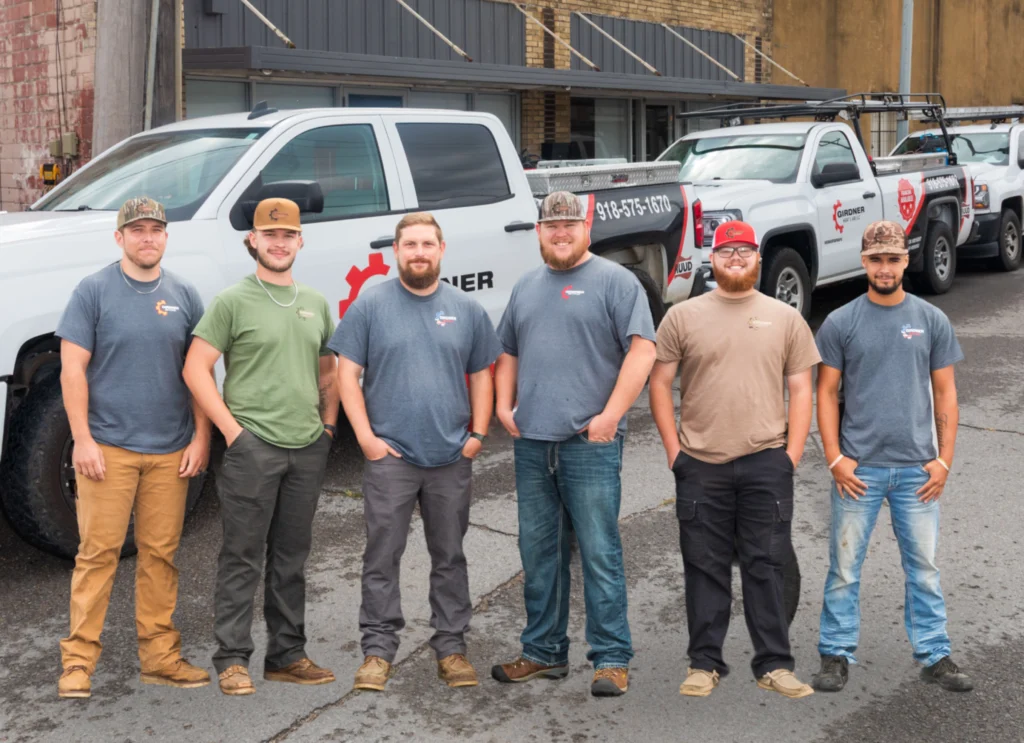
Girdner Heat and Air provides thorough, honest seasonal tune ups for homeowners across Stilwell, Oklahoma and the surrounding Oklahoma and Arkansas communities. Our technicians walk you through every finding, explain what needs attention, and never pressure you into unnecessary repairs.
Ready to protect your system and your budget? Consider signing up for an HVAC maintenance plan that keeps your tune ups on schedule with priority service and repair discounts included. Give Girdner Heat and Air a call today and let’s make sure your system is ready for whatever Oklahoma weather brings next.